A hagyományos vajdasági konyhának – amiben érezhető a török, a mediterrán és az európai hatás, de leginkább a magyar és a szerb konyha egyvelege – hatalmas szerepe van a mindennapokban, ez az egyik legfontosabb része a vajdasági kultúrának.
Vojvodina is a multicultural community. Throughout history, its cuisine has been exposed to various influences, resulting in a menu that comprises the culinary traditions of the peoples living here. The traditional Vojvodinian cuisine, which reflects Turkish, Mediterranean, and European influences but is primarily a blend of Hungarian and Serbian cuisines, plays a significant role in daily life, being one of the most important parts of Vojvodinian culture.

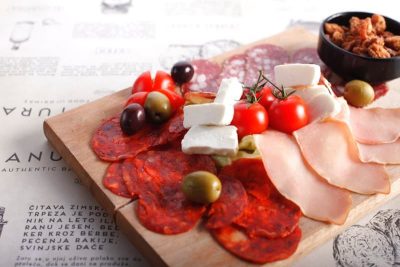
The meal begins with a cold appetizer. The platter includes sliced meats, kulen (thick sausage), pork cheese, liver, cracklings, spicy smoked bacon, green onions, strong green peppers, tomatoes, prebranac (cooked beans), cottage cheese, kajmak (salted cream aged in a wooden barrel), urnebes (salty cheese spiced with ground hot red pepper), slices of cheese, and vajajja (a thick mass cooked from cream) as well.

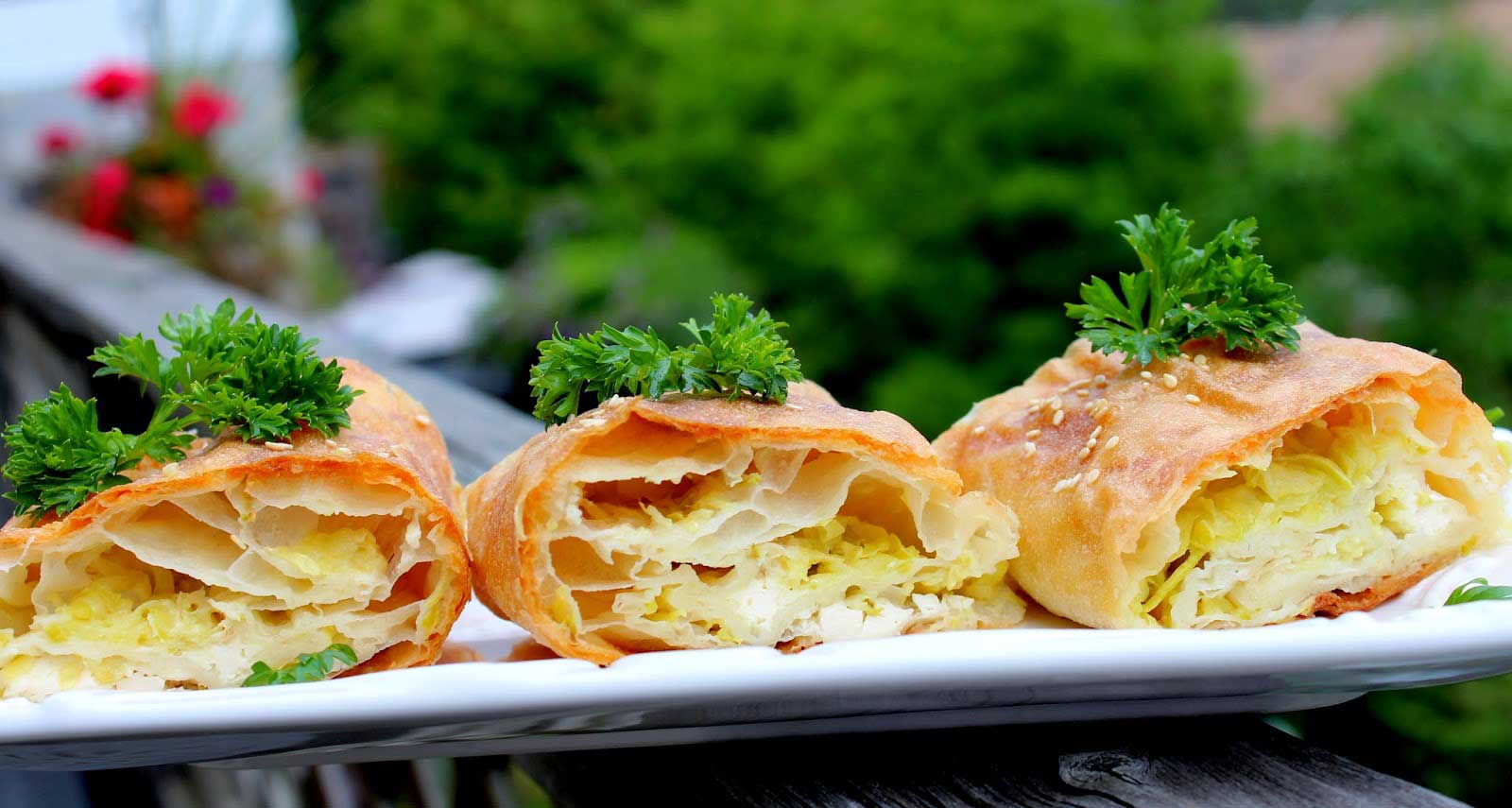
The warm appetizer includes zeljanica, which is a spinach pie, potato strudel, Serbian proja, sarma wrapped in grape leaves, and salty doughnuts. The Serbian gibanica and the similar salty cheese burek are also very popular (while Hungarians typically sweeten the cottage cheese, here it is salted).
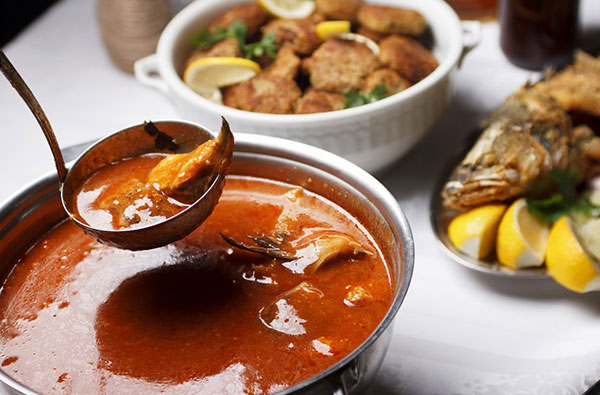
Among the soups, the sour, lamb, bean soup, and fish soup are the most popular.

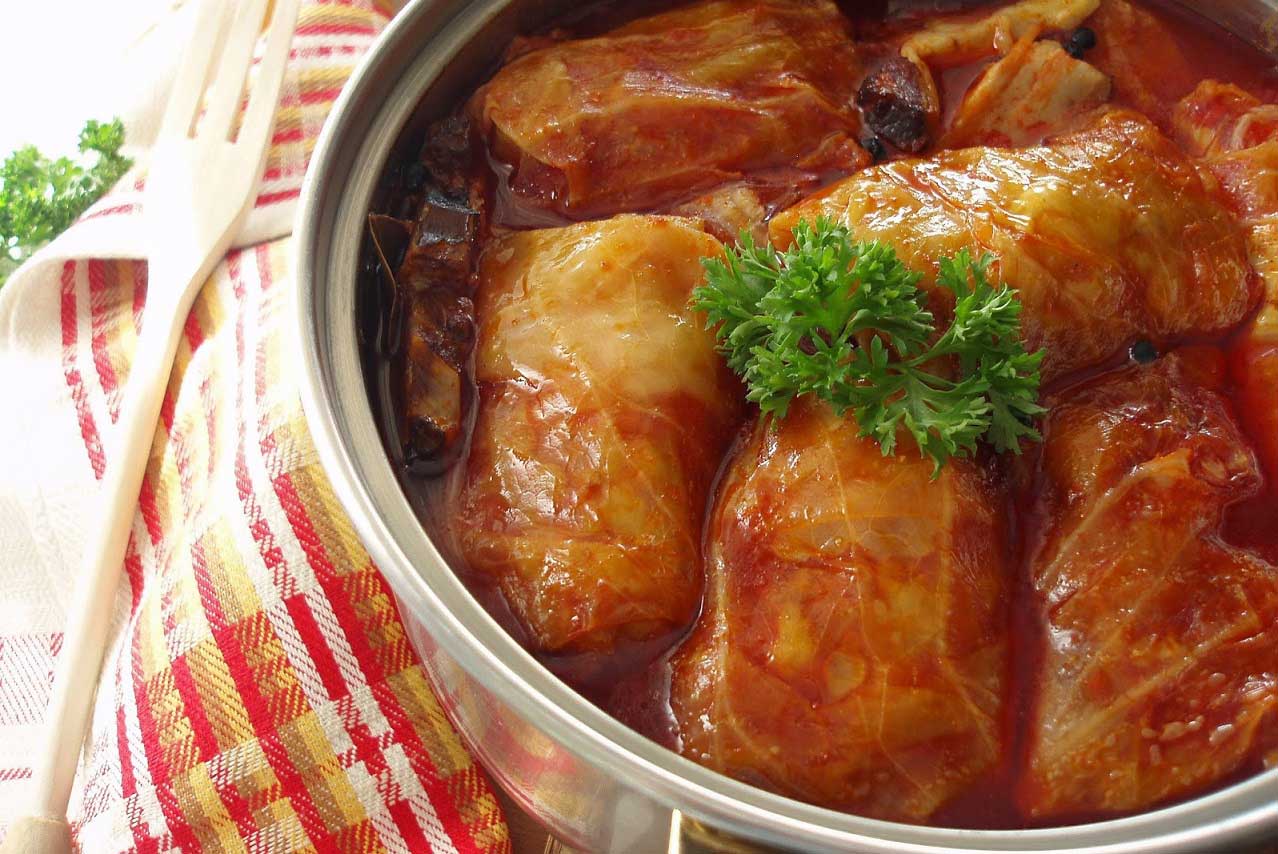
The main course can be sarma (stuffed cabbage), stewed cabbage, and gyuvech, which is similar to ratatouille. According to Vojvodinian cooking techniques, these and other cooked dishes are put in the oven to bake before they are completely done, which gives them a special aroma.

As a traditional dish, grilled food is most commonly offered: pljeskavica (a spiced meat patty, usually made of pork), and ćevapčići (minced meat, grilled over an open fire). A big favorite is the Karađorđe’s schnitzel (breaded veal filled with kajmak), pork chops with various sauces, and smoked vesalica. The special thing about the latter is that the pork is cut into a V shape. Roasted dishes on a spit, such as piglet, lamb, sheep, and goat roast, are also very popular.

With the grilled dishes, they serve kajmak, ajvar (a mix of ground and stewed peppers and eggplant), urnebes sauce (cottage cheese spiced with ground red pepper), roasted peppers with garlic, Serbian salad (tomato, red onion, peppers, and cucumber), and šopska salad (Serbian salad with cottage cheese).
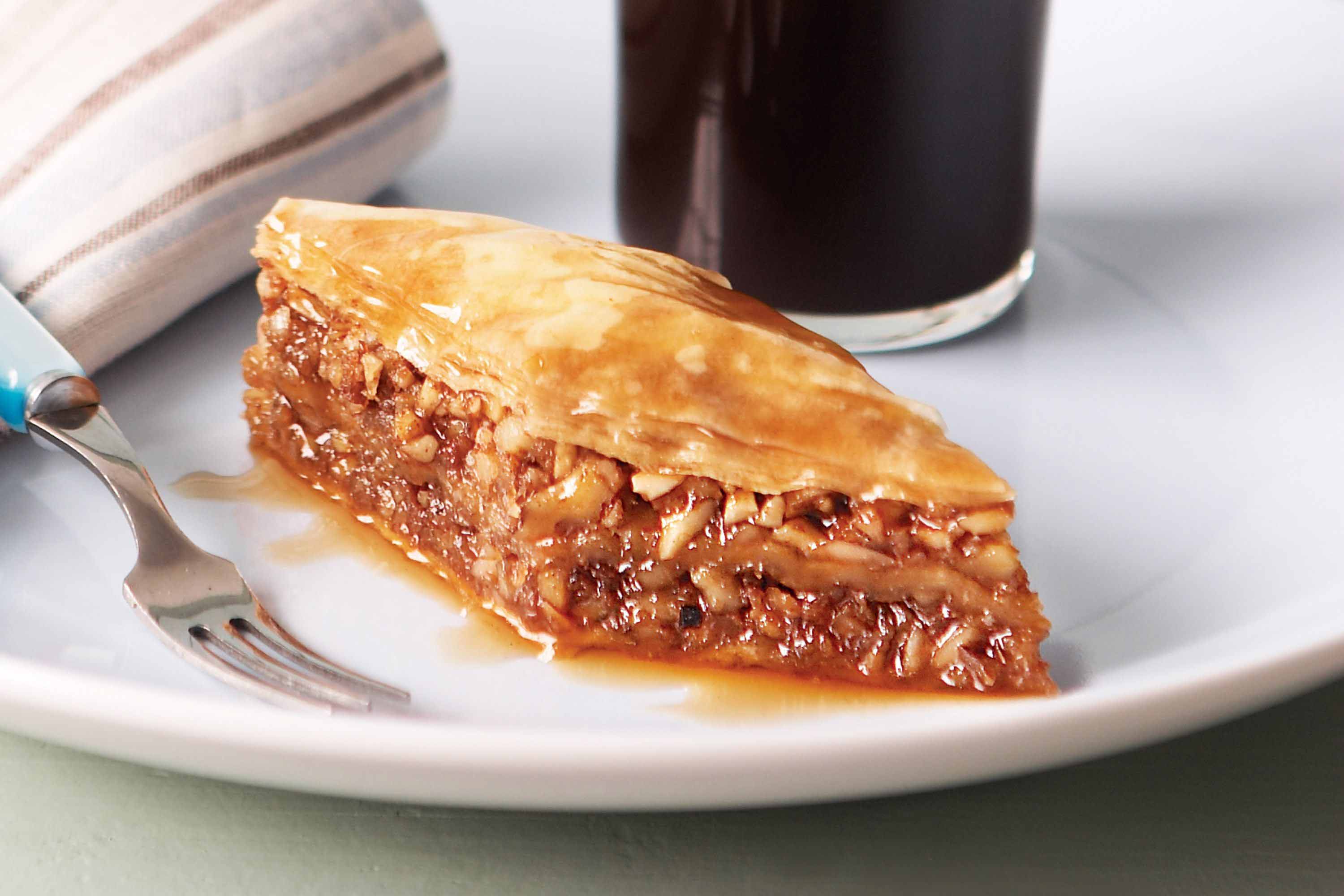
For dessert, cakes or walnut pastries, doughnuts, strudels, plum dumplings, and baklava (a walnut pastry drenched in sugar syrup) are common. During family celebrations, it is often customary to cook wheat, to which ground walnuts, vanilla sugar, and nutmeg are added.

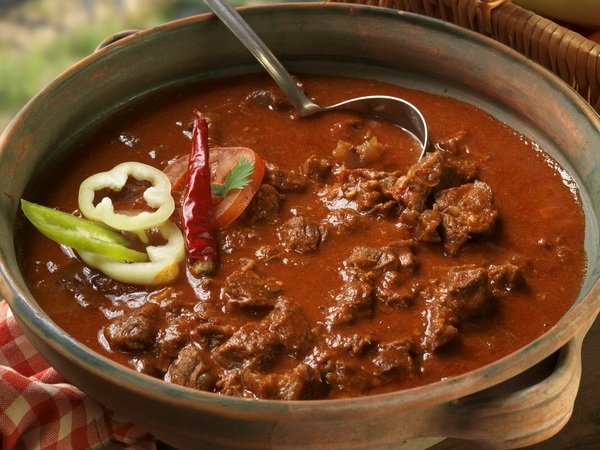
There are more similarities than differences between Vojvodinian and Hungarian cuisine. The menus in Vojvodina also feature dishes with a Hungarian character, such as paprikash, goulash soup, stew, tokány, fish soup, Dobos torte, Somlói dumplings, túrós csusza, and other dishes made with ground paprika.

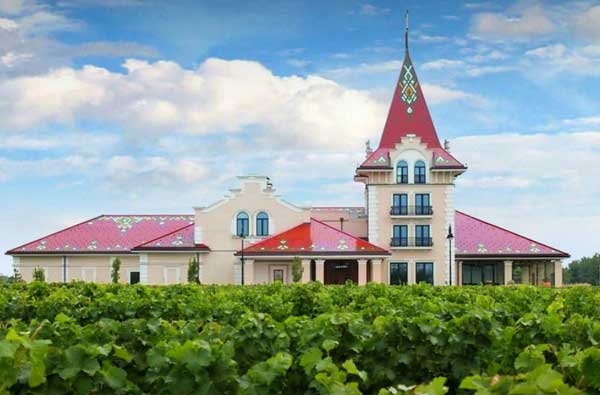
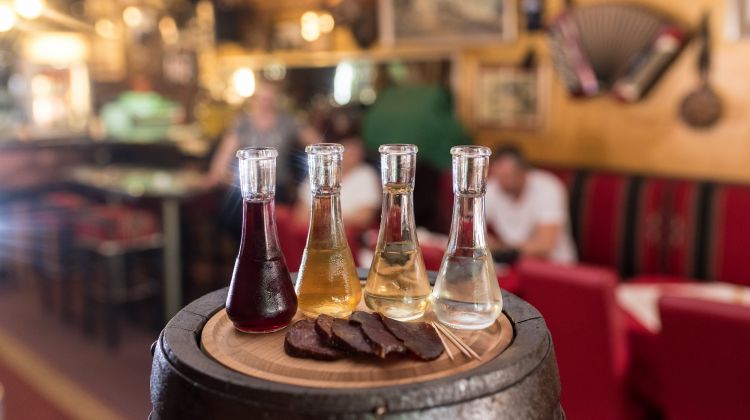
Regarding drinks, Vojvodina has a long tradition of coffee drinking, with Turkish coffee still being brewed in long-handled copper pots. As an aperitif before meals, brandy, or rakija, is consumed. The most well-known are plum, apricot, sour cherry, and quince brandies. Vojvodina, being rich in wine regions, has a tradition of wine consumption, but beer drinking is also very popular.
According to a local saying, three important things are needed for a person’s good mood: good music, delicious bites, and plenty of alcoholic drinks on the table.